Why Lung Cancer Screening Matters
Lung cancer is often diagnosed at a late stage because symptoms can be mild or absent until it has progressed. Early detection through screening can identify changes in the lungs before symptoms develop, offering the best chance of successful treatment.
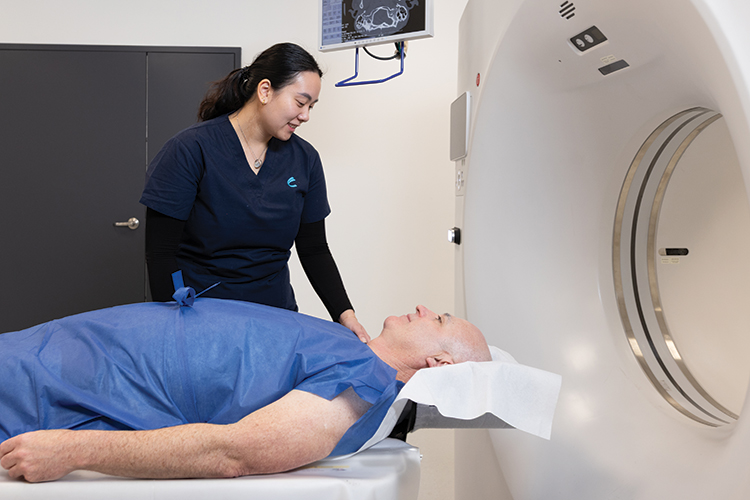
Low-dose CT scans are the recommended method for lung cancer screening, as they provide detailed images while using significantly less radiation than a standard CT.
What Is a Low-Dose CT Lung Cancer Screening?
A low-dose CT (LDCT) scan is a specialised imaging test that takes detailed pictures of your lungs using minimal radiation. It can detect small nodules or changes that may indicate early lung cancer, even before you notice any symptoms.
Who Should Consider Lung Cancer Screening?
You may be eligible for lung cancer screening if you:
Are aged 50–74
Have a history of smoking (current or former)
Meet the risk criteria recommended by health guidelines
Your GP can assess your individual risk and help determine if a screening referral is appropriate.
Where to Get a Lung Cancer Screening in Australia
Lung cancer screening with low-dose CT is offered at accredited imaging centres across Australia. You can ask your GP or specialist for a referral to a facility equipped with LDCT technology.
What to look for when choosing a screening location:
Accredited radiology or imaging centre
Experienced radiologists specialising in chest imaging
Advanced low-dose CT technology
Fast, reliable reporting to your doctor
How to Book a Lung Cancer Screening
Talk to Your GP: Get an assessment to see if you’re eligible for screening.
Get a Referral: Your doctor will provide a referral to an accredited imaging centre.
Choose a Location: Find a local provider offering low-dose CT technology. You can find one here
Attend Your Scan: The procedure is quick, painless, and uses low radiation.
Supporting Your Lung Health
At Chest Scan Australia, we’re committed to supporting lung health through advanced imaging technology. We use low-dose CT to provide clear, detailed images while keeping radiation exposure to a minimum.
If you’d like to learn more about low-dose CT imaging or discuss how we support lung health, contact us here.
FAQs about Lung Cancer Screening
Is lung cancer screening covered by Medicare?
Eligibility for Medicare coverage depends on meeting specific criteria. Check with your doctor or imaging provider for details.
Is a referral required?
Yes. A referral from a GP or specialist is required to book a screening scan.
How long does the scan take?
A low-dose CT scan typically takes only a few minutes.
Is it safe?
Yes. LDCT uses significantly less radiation than standard CT, making it suitable for screening high-risk patients.
Disclaimer: Please note, if you have any questions or reservations about an upcoming radiology scan, it is always recommended to consult with your healthcare provider, who can address your concerns directly. This is general information, not tailored to a specific individual.